In the potato vodka vs grain vodka cost comparison, choosing potato neutral spirit over corn adds only $0.50 to the tax-paid cost of a 750 ml bottle. That is about 10% for a standard product ($5.58 vs $5.08) and about 6% for a premium one ($9.28 vs $8.78). The comparison below deliberately uses the least favorable matchup for potato, so other matchups should show a smaller difference.
Potato spirit vs neutral grain spirit: what we compared
The model prices one bottle of 750 ml at 40% ABV, tax paid, in a standard and a premium version. It pairs the cheapest neutral grain spirit on the market, locally produced corn spirit (wheat and rye are the other common grains), with imported potato spirit from Europe, the premium-priced end of the market. Costs were supplied by Alquora, a Polish producer of potato neutral spirit; real prices will move with volume, freight and contract terms.
Excise is the standard federal rate of $13.50 per proof gallon (26 U.S.C. § 5001), which comes to $2.14 for a 750 ml bottle at 80 proof. It is the same in every state. State excise taxes differ and are not included, but they apply equally to both spirits.
Potato vodka vs corn: tax-paid cost per bottle (USD)
| Component | Corn, standard | Potato, standard | Corn, premium | Potato, premium |
|---|---|---|---|---|
| Base spirit | $0.31 | $0.81 | $0.31 | $0.81 |
| Glass, closure, labels, case | $1.80 | $1.80 | $5.15 | $5.15 |
| Bottling, water and QC | $0.83 | $0.83 | $1.18 | $1.18 |
| Federal excise tax | $2.14 | $2.14 | $2.14 | $2.14 |
| Total | $5.08 | $5.58 | $8.78 | $9.28 |
The only difference between the corn and potato bottle is the base spirit. Every line shown above costs the same for both.
The base ingredient and production process behind the price difference
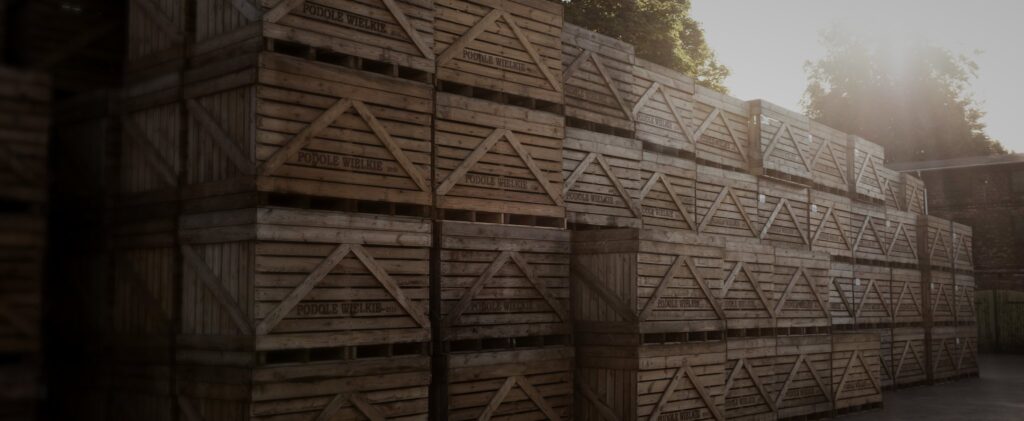
The whole difference is one line, the base ingredient: base spirit costs $0.81 per bottle for potato and $0.31 for corn, a difference of $0.50. Yet the base spirit is a small part of the bill. It is 14.5% of the standard potato bottle and 8.7% of the premium one, while federal excise alone takes $2.14.
What goes into the potato base? The production process takes more raw material and more handling, and that extra effort is where the value is created. Potatoes hold roughly 15–18% starch by fresh weight (study of five varieties), against about 60–70% in corn, wheat and rye (ETIP Bioenergy), so each liter of spirit starts from more raw material. Converting that starch into sugars comes first, then yeast starts fermenting them into ethanol. This fermentation process needs specialized handling. Grain is easier to process at scale and keeps an edge in production efficiency, while potato trades some of that efficiency for the richness described below (Alquora).
The key differences show up in the glass. Grain neutral spirit often goes through multiple distillation passes, and the repeated distillations strip out character. Potato spirit, according to Alquora, keeps a creamy texture and richness, with a rounder body, a smooth mouthfeel and a clean balance on the palate, which is why distillers choose it for vodka, liqueurs and martinis. Both reach a neutral profile at 96% ABV; taste and the quality of the finish are what set them apart.
The larger lever is the product tier. Moving from standard to premium adds $3.70 per bottle with either spirit, mostly through glass and packaging ($5.15 instead of $1.80). That is more than seven times the $0.50 that potato adds.
What the model leaves out
Note that the figures stop at the tax-paid cost of the bottle. State excise, freight to the distributor, and distributor and retailer margins come on top, and they differ by state and channel. State excise and freight do not depend on the base spirit.
The $2.14 is also the headline federal rate. Distilled spirits operations can pay a reduced $2.70 per proof gallon on their first 100,000 proof gallons (26 U.S.C. § 5001), and the law lets foreign producers assign that reduced rate to importers. A lower excise bill would shrink the total for both spirits equally and leave the $0.50 difference unchanged.
Bottom line: market positioning is the strategic choice
The strategic choice comes down to market positioning. Grain is the cost-effective choice for value-tier brands competing purely on price. Potato is built for premium and craft brands: it supports premium pricing, it is a rarity in the global market, and Polish potato vodka has a long reputation to draw on. Even in the least favorable matchup, potato costs only $0.50 more per bottle: about 6% on a premium product and about 10% on a standard one. Ultimately, for a brand weighing a different raw material and the story that comes with it, that is a margin question measured in cents, and a small price for a distinct base ingredient.
To test the numbers against your own recipe, Alquora supplies potato neutral spirit from a minimum order quantity of 1,000 liters. Large quantity orders ship in IBC containers, road tankers or ISO tanks, with 12-month fixed-price contracts and delivery scaled to demand. A free sample comes with a technical data sheet.